First Spins: Choosing Your First Turntable
First Spins: Choosing Your First Turntable
![[HERO] First Spins: Choosing Your First Turntable](https://cdn.marblism.com/AzWqz19aydc.webp)
So you're ready to start spinning vinyl. That's awesome. But here's the thing, walking into a turntable purchase can feel like you need a degree in audio engineering just to understand the product descriptions. Belt-drive? Counterweight? Preamp? It's a lot.
Here's the truth: your first turntable doesn't need to be perfect. But it does need to be good enough to not damage your records or make you hate listening to them. We see folks at both our Pico and Hollywood locations every week who started with the wrong setup and ended up frustrated, or worse, with a ruined collection.
Let's break this down in plain English. No gatekeeping, no audiophile snobbery. Just what you actually need to know.
🚫 The Suitcase Player Problem
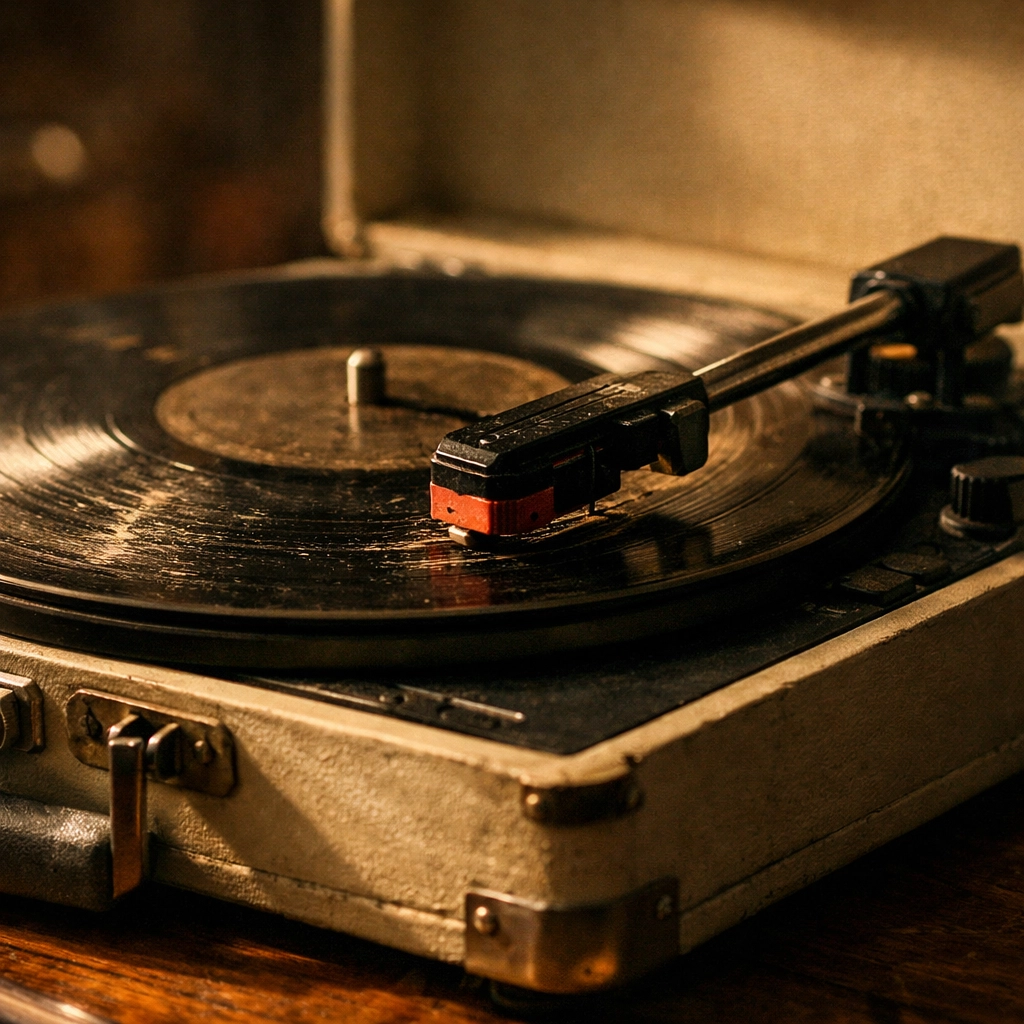
You've seen them. Cute, portable, all-in-one turntables that look like vintage suitcases. They're cheap (usually under $100), they're everywhere, and they're terrible for your vinyl.
Here's why: these players use cheap ceramic cartridges with tracking forces that are way too heavy. Translation? They literally grind down your record grooves every time you play them. You might not notice it the first few spins, but after 20-30 plays, your records will sound noticeably worse.
If you're investing in vinyl, and let's be real, records aren't cheap, you need a player that won't destroy them. Quality over aesthetics. Always.
💰 What Should You Actually Spend?
Let's talk budget. You don't need to drop $2,000 on your first setup, but you also can't expect miracles from a $79 Amazon special.
The Sweet Spot: $300-$500
This is where you get the best value as a beginner. You'll hear a significant difference in sound quality compared to budget models, and these turntables typically let you upgrade components later, better cartridge, new belt, upgraded stylus. You're not locked in.
Under $100
You're gambling. Some work okay for casual listening, but most sacrifice too much sound quality. If this is truly all you can afford right now, save a little longer. Your records will thank you.
$100-$300
Acceptable territory. You'll find some solid entry-level options here, but do your research. At this price point, brand reputation matters a lot.
Over $500
Diminishing returns unless you're already an audiophile with the speakers and amplifier to match. Start in the sweet spot and upgrade later when you know what you actually want.
🔄 Belt-Drive vs. Direct-Drive
This is one of the first specs you'll see. Here's the practical difference:
Belt-Drive turntables use a rubber belt to connect the motor to the platter (the spinning part that holds your record). The belt absorbs vibrations from the motor, which means less noise interference with your music. They're quieter and generally better for pure listening. The downside? The belt wears out over time and needs replacing every few years.
Direct-Drive turntables connect the motor directly to the platter. They start up faster, maintain speed more consistently, and they're built tougher. DJs prefer them because you can scratch and backspin without destroying anything. For most home listeners, though, belt-drive is the way to go.
Our recommendation for beginners? Belt-drive. Unless you're planning to DJ or you really need that instant start-up, the sound quality advantage wins.
⚙️ Automatic vs. Manual Operation
This is about how hands-on you want to be with your listening experience.
Automatic turntables do most of the work for you. Press a button, the tonearm lifts, moves to the record, drops down, and starts playing. When the record ends, the arm lifts and returns home. Some even shut off automatically.
Manual turntables require you to do all of that yourself. You lift the tonearm, position it where you want, lower it gently onto the record. When the side finishes, you lift it off and return it.
Which should you choose? If convenience matters and you're nervous about handling the tonearm, go automatic. If you want more control over where tracks start or you like the ritual of manual operation, go manual. There's no wrong answer here, it's purely personal preference.
One note: automatic mechanisms can occasionally malfunction, giving manual players one less thing to break. But modern automatics are pretty reliable.
🔌 Built-In Preamp vs. External
This is crucial and often overlooked by first-timers.
Turntables produce a very quiet signal (called a phono signal) that needs to be amplified before it reaches your speakers. A preamp (also called a phono stage) does this job.
Built-in preamps are convenient. Plug your turntable directly into powered speakers or your existing stereo system. Done. Many turntables in the $300-$500 range include a decent built-in preamp with a switch to turn it on or off.
External preamps give you more flexibility and typically better sound quality. As you upgrade your system down the road, you can invest in a better preamp without replacing your entire turntable.
Our recommendation? Get a turntable with a built-in preamp that you can bypass. This gives you the convenience now and the upgrade path later. Best of both worlds.
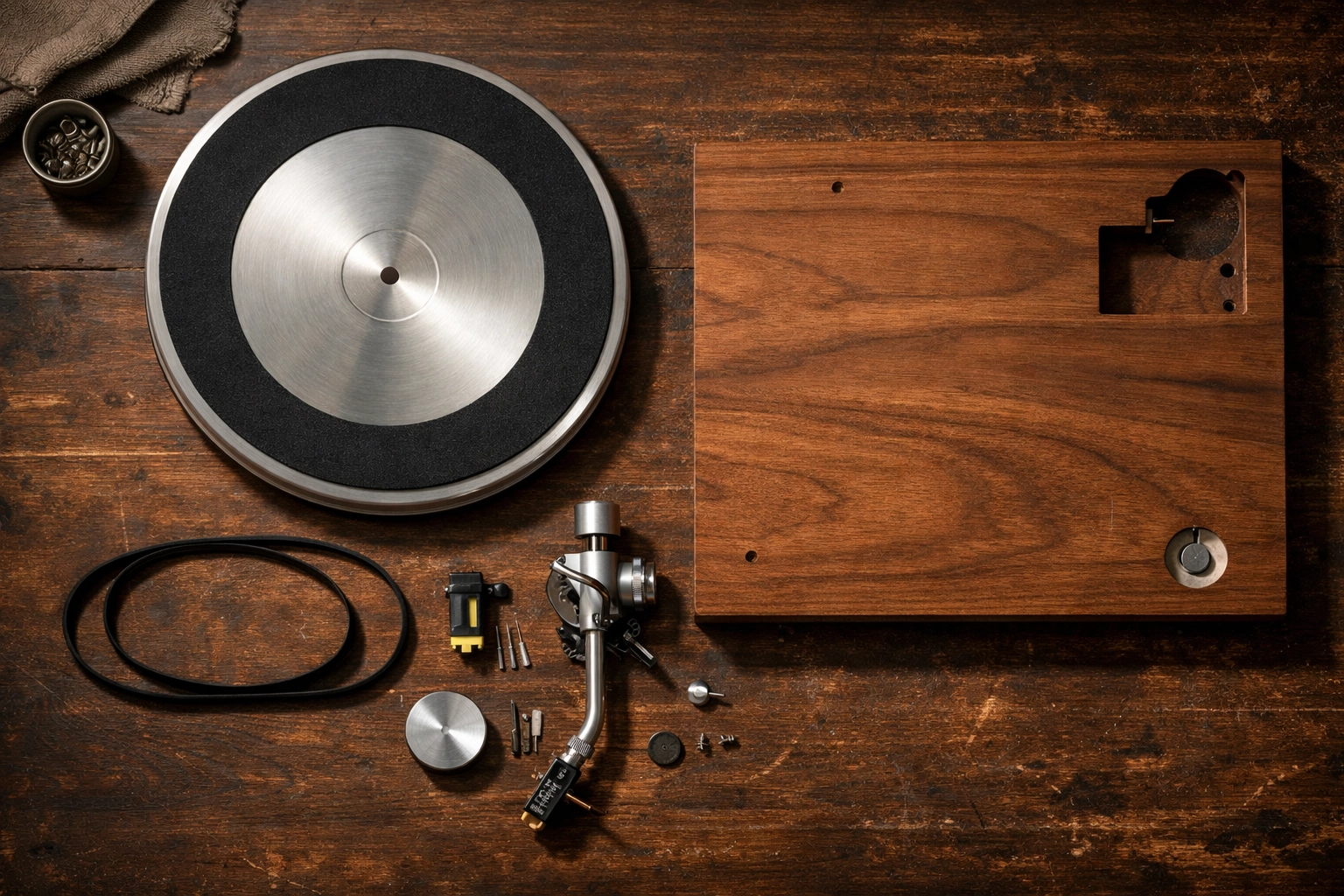
🧩 Key Components You Should Know
You don't need to become an audio engineer, but understanding these basics helps you evaluate quality:
Platter: The spinning platform where your record sits. Look for heavier platters made from materials that absorb vibration, like MDF, acrylic, or aluminum. Heavier = more stable rotation = better sound.
Tonearm: The arm that holds the cartridge and tracks across your record. Quality tonearms are typically made from aluminum or carbon fiber and allow precise adjustments for tracking weight and anti-skate.
Cartridge: Houses the stylus (needle) and converts the vibrations from your record grooves into electrical signals. This is one of the most important components and usually the first thing you'll upgrade.
Plinth (Base): The foundation of your turntable. Should be solid, heavy, and resonance-free. Cheap turntables use hollow plastic. Better ones use MDF or real wood.
Motor: Powers the platter rotation. Should run quietly and maintain consistent speed. Speed inconsistency = pitch wobble = annoying listening experience.
You don't need to obsess over these initially, but knowing what to look for helps you spot quality when you see it.
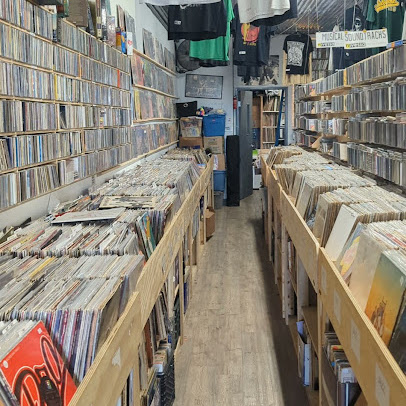
🛍️ Buying Used: What to Ask
We love when customers come in looking for advice on used turntables. Buying second-hand can save you serious money, but you need to know what questions to ask.
If you're buying from an individual seller (not a shop), ask them:
- Does everything work properly? (Test it if possible)
- Are you the original owner? How long have you owned it?
- How many hours per week was it used?
- Was it used for DJing? (Heavy wear indicator)
- What condition is the cartridge and stylus in? (These wear out)
- For belt-drive: when was the belt last replaced?
- What's included? (Dust cover, manual, original box?)
Get these answers in writing if buying online. And make sure there's a return policy, even if it's just "if it doesn't work as described."
A quality turntable from the '70s or '80s can outperform a modern budget model. Brands like Technics, Pioneer, and Dual built tanks back then. Just make sure the previous owner took care of it.
📍 Setup Matters as Much as the Turntable
You found the right turntable. Awesome. Now don't mess it up with bad placement.
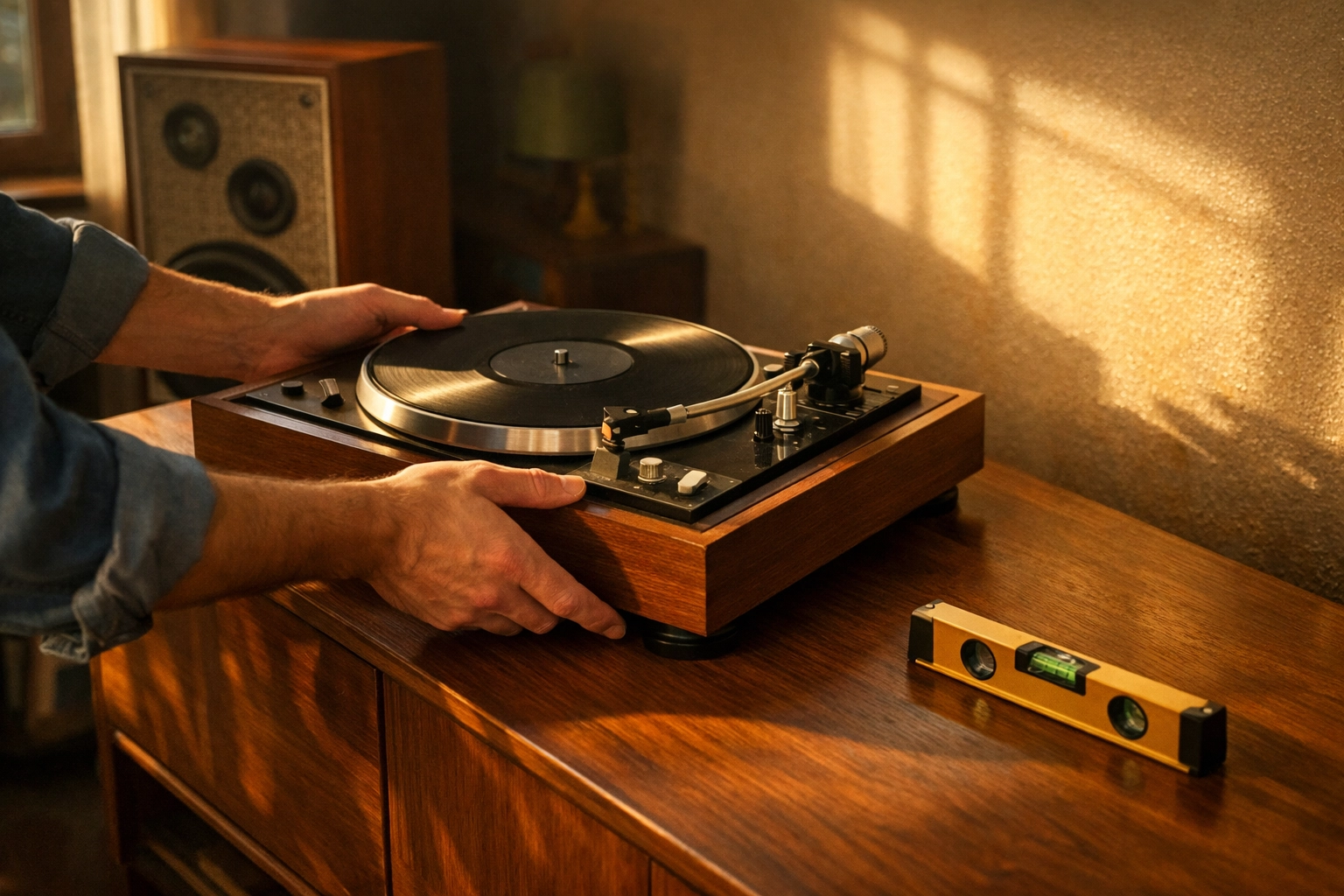
Surface stability: Your turntable needs a stable, level surface. Not on top of your speaker. Not on a wobbly IKEA table. Vibrations from speakers, foot traffic, or an unstable surface will cause skipping and degrade sound quality.
Away from speakers: Seriously. Sound waves from your speakers will travel through the air and through the surface, causing feedback and muddiness.
Tracking weight adjustment: Your turntable manual will specify the correct tracking weight for your cartridge. Too heavy damages your records. Too light causes skipping. Get this right from day one.
Take 30 minutes to set things up properly. Your ears and your collection will thank you for the next decade.
Your First Spin Awaits
Choosing your first turntable doesn't have to be overwhelming. Focus on quality over price, prioritize features that match your listening style, and avoid the suitcase-player trap. A solid setup in the $300-$500 range will serve you well for years and grow with you as your collection expands.
And hey: if you're still unsure what's right for you, swing by one of our locations. We're always happy to talk through options and help you find a setup that fits your space, your budget, and your sound. We've helped hundreds of first-time buyers get started, and we've probably heard every question you're thinking of asking.
Welcome to vinyl. Your collection starts now. 💿