When to Change Your Needle: Protecting Your Wax from Wear
When to Change Your Needle: Protecting Your Wax from Wear
![[HERO] When to Change Your Needle: Protecting Your Wax from Wear](https://cdn.marblism.com/oJKh1I1n1DK.webp)
Your turntable needle is the only thing standing between your records and permanent damage. That tiny piece of shaped diamond or sapphire is doing serious work every time you drop it into a groove, and when it wears out, it starts destroying the very music you're trying to enjoy.
Here's the truth: most vinyl collectors don't change their stylus often enough. You might not notice the degradation happening, but your records definitely do. Every play with a worn needle is carving away at the grooves, removing sonic information that can never come back.
Let's talk about how to spot a dying needle before it kills your collection.
The Warning Signs 🚨
Your stylus is trying to tell you it's worn out. You just need to know what to listen for.
Distortion that wasn't there before. If your favorite records suddenly sound harsh or sibilant, especially on vocals or high frequencies, that's your needle crying for help. A worn stylus can't track the fine details in the groove anymore.
Bass sounds muddy or undefined. When low frequencies start losing definition and everything sounds like mush, your needle has likely lost its precise shape. It's bouncing around in the groove instead of following it accurately.
One channel sounds quieter than the other. Uneven stylus wear means one side of the diamond is doing more work than the other. You'll notice imbalanced stereo imaging or one speaker seeming quieter.
Increased surface noise. If every record suddenly sounds like it's been played a thousand times, even your mint pressings, your needle is probably riding too hard in the groove or has debris stuck to it.
Skipping on records that never skipped before. A worn stylus loses its ability to stay planted in the groove, especially during loud or dynamic passages. If your needle is jumping, it's past due for replacement.
How a Bad Stylus Ruins Your Records 💔
This is where it gets serious. A worn needle doesn't just sound bad, it actively destroys your vinyl.
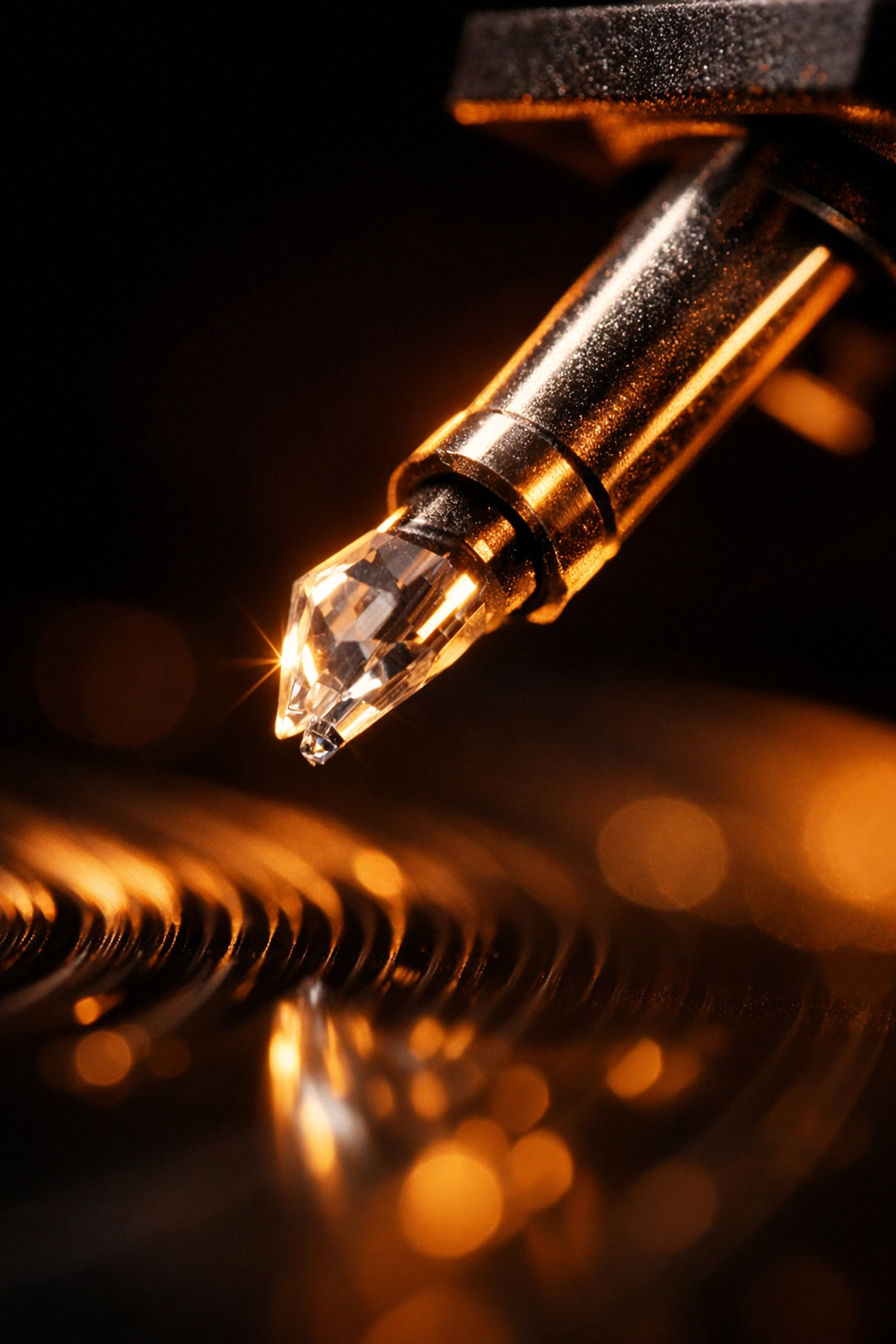
The stylus tip should have a precise radius and shape that fits perfectly into the record groove. As it wears down, that shape changes. Instead of gliding smoothly through the grooves, a worn needle starts acting like a tiny chisel, scraping and gouging the soft vinyl walls.
Every play becomes permanent damage. With a fresh stylus, you can play a record hundreds of times with minimal wear. With a worn stylus, you're removing groove information every single play. Those high frequencies? Gone. That crisp detail? Scraped away forever.
You can't undo the damage. Once a worn needle has carved through your grooves, no amount of cleaning or careful handling will bring back what's lost. That first pressing you hunted for? That rare 45 you finally found? Ruined.
It happens faster than you think. A severely worn needle can cause noticeable damage in just a few plays. If you've been running the same stylus for years, you might have already damaged dozens of records without realizing it.
When to Replace Your Stylus ⏰
Forget what you think you know about stylus life. Here are the real numbers.
Standard elliptical styluses: 500-1,000 hours. If you spin records for an hour a day, that's roughly 2-3 years max. But conditions matter, dirty records, improper tracking force, and misaligned cartridges all reduce that lifespan.
Spherical/conical styluses: 300-500 hours. These wear faster because they make less contact with the groove. Budget cartridges often use spherical tips, so plan on more frequent replacements.
Advanced profiles (Shibata, Line Contact, Microline): 1,000-2,000 hours. These premium styli last longer and sound better, but they're also more expensive to replace. The investment pays off in both sound quality and record preservation.
When in doubt, replace it. Can't remember when you last changed your needle? It's time. Seriously. A replacement stylus costs $30-$300 depending on your cartridge. Your record collection costs thousands. Do the math.
How to Inspect Your Needle 🔍
You need to look at your stylus regularly. Not just glance at it, actually inspect it.
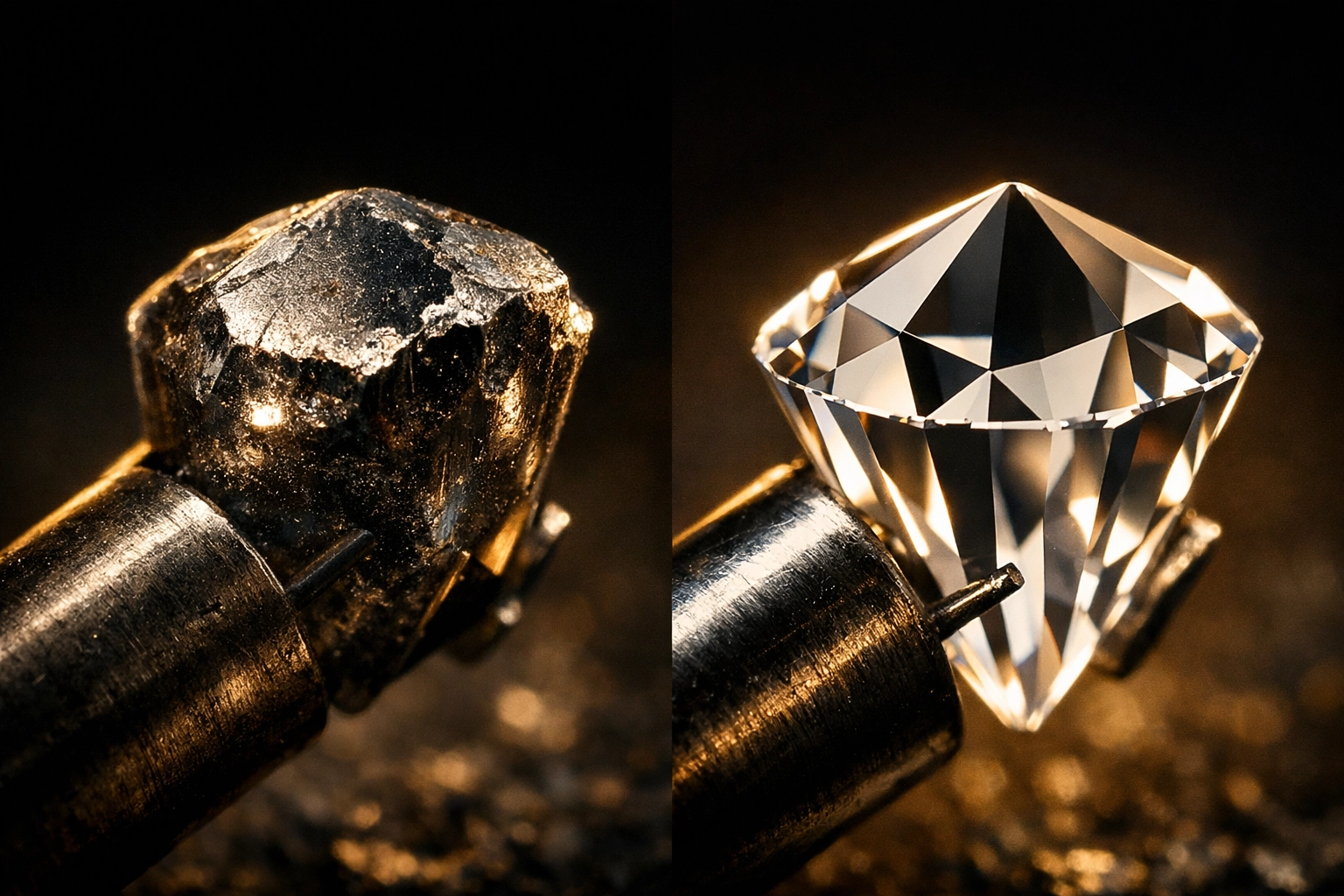
Get a USB microscope. For $20-40, you can buy a digital microscope that connects to your phone or computer. This lets you see the stylus tip at 200-400x magnification. You'll spot wear, debris, and damage that's invisible to the naked eye.
Look for these red flags:
- Flat spots on what should be a rounded tip
- Asymmetrical wear (one side flatter than the other)
- Visible chunks or chips in the diamond
- Built-up gunk on the tip
- The cantilever (the tiny arm holding the diamond) bent or twisted
Clean it after every session. Use a proper stylus brush (front-to-back motion only, never side-to-side) or a stylus cleaning solution. Keeping it clean extends its life and protects your records from debris.
Track Your Listening Hours 📊
Treat your stylus like you'd treat car maintenance. You wouldn't drive 100,000 miles without changing your oil, don't spin records blindly without tracking stylus hours.
Keep a log. Write down when you installed your current stylus and roughly track your listening time. Some audiophiles keep detailed spreadsheets. You don't need to go that far, but a simple note in your phone works.
Set a reminder. If you know you average 10 hours a week, set a calendar reminder for 12 months out. That's roughly 520 hours, time to start thinking about replacement.
When you buy used records, clean them first. Dirty records are the #1 stylus killer. Every piece of grit in those grooves is grinding down your needle. Clean your records properly before playing them, and your stylus will thank you with extra life.
The Real Cost of Waiting Too Long 💸
Let's put this in perspective.
A replacement stylus for a decent cartridge costs around $100. That seems like a lot until you consider what you're protecting.
Say you've got 200 records at an average value of $20 each. That's $4,000 in vinyl. Now imagine damaging even 10% of those records with a worn needle. You've just lost $400 in record value: four times the cost of a new stylus.
And that's being conservative. If you're into rare pressings, first editions, or collectible vinyl, the math gets even more painful. A single worn needle can destroy hundreds or thousands of dollars worth of records.
Replace your stylus before it becomes a problem. Don't wait for obvious signs of wear. Set a schedule based on hours and stick to it. Your collection depends on it.
What We See at Nivessa 👀
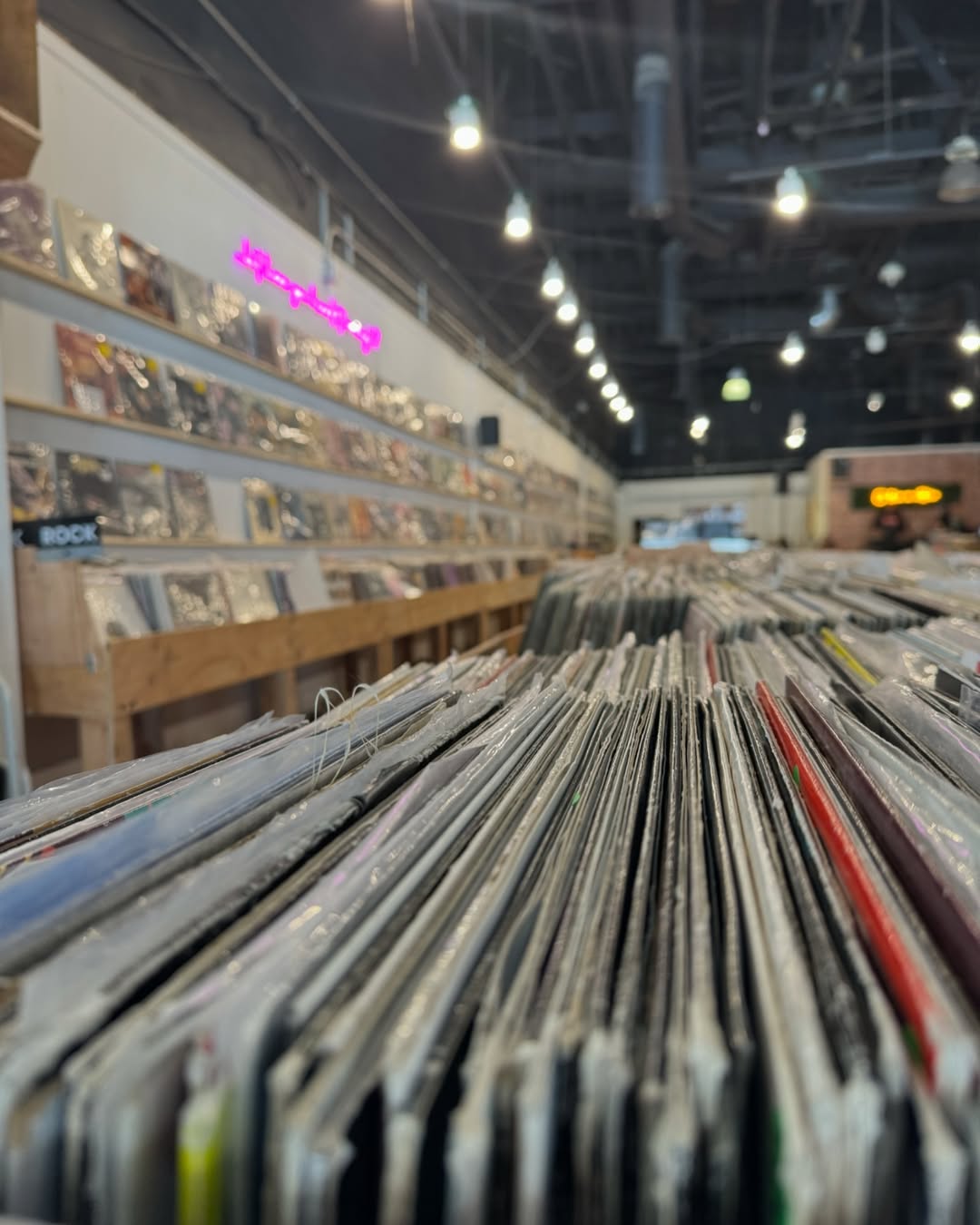
When customers bring in collections to sell, we can usually tell if they've been playing them with a worn needle. The telltale signs are there: excessive groove wear, bright high frequencies sanded off, groove distortion on inner tracks.
Those collections are worth less. Sometimes significantly less.
The collectors who protect their vinyl: who change their stylus regularly, clean their records, and maintain proper turntable setup: their collections retain value. You can hear it in the playback and see it in the grooves.
If you're building a collection worth keeping, invest in maintenance. Your records are only as good as the equipment playing them.
Get Help If You Need It 🤝
Not sure if your stylus is worn? Having tracking issues you can't diagnose? Bring your turntable by either of our locations. We've seen thousands of setups and can help you figure out what's going on.
Sometimes it's not just the stylus: tracking force, anti-skate, cartridge alignment, and even the turntable's level all affect how your needle performs. Getting a proper setup saves your records and improves your listening experience dramatically.
Your vinyl collection is an investment. Protect it with regular stylus changes, proper maintenance, and a little bit of awareness. The few minutes you spend inspecting your needle and the hundred bucks you spend on replacements will save you from permanent, expensive damage down the line.
Change your needle. Save your wax. It's that simple.